
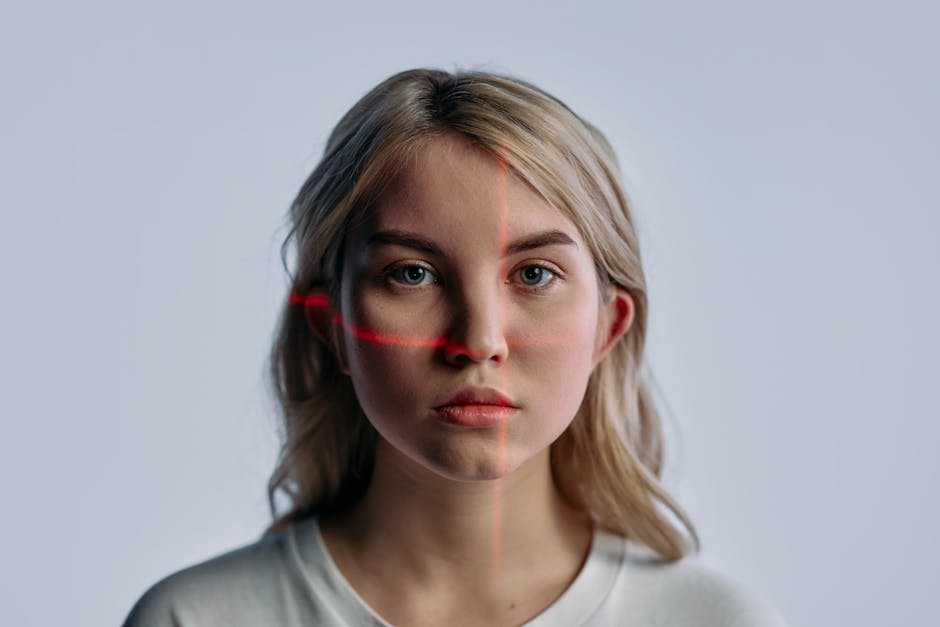
The Push Toward Smarter, More Secure Devices
Passwords are on borrowed time. Biometrics are stepping in not just for convenience, but because the old ways of securing devices are breaking down. Weak passwords, reused logins, and data breaches have made digital access painfully vulnerable. In response, smart devices are learning to recognize us instead of relying on what we remember.
Biometric authentication uses physical or behavioral traits things you can’t forget or easily fake. The heavy hitters include facial recognition, fingerprint scanning, and voice ID, along with emerging methods like vein mapping and eye tracking. They’re fast, frictionless, and when done right built directly into the devices we use every day.
This tech isn’t just for phones anymore. It’s baked into smartwatches that unlock when they sense your wrist. It’s showing up in door locks, thermostats, cars the list keeps growing. The goal? Make access feel invisible while tightening security.
For users, that means fewer PINs and more seamless interactions. For tech companies, it’s a serious edge in the battle for trust. Biometrics are no longer a novelty they’re the new baseline for smart security.
Biometrics in Everyday Use
Smartphones were the first everyday battleground for biometric tech. Today, facial recognition and fingerprint sensors unlock your device in a flash no passwords, no friction. It’s fast, personal, and safer than a four digit code. But it’s not just about unlocking. Biometrics now secure mobile payments, autofill credentials, and even gate access to sensitive apps making your phone both a tool and a vault.
Smart homes are next in line. Biometric authentication is starting to replace keys and codes at the front door. A scan of your face or voice command can disarm alarms, turn on lights, and adjust the thermostat before you step inside. It’s convenience blended with access control. And it cuts out user error no more lost keys or forgotten PINs.
Wearables are also going deeper. It’s not just step counts and heart rates anymore. Today’s devices are monitoring sleep cycles, skin temperature, oxygen levels, even stress response using biometric signals to paint a more complete health profile. This data isn’t just passive, either. It drives alerts, gives fitness coaching, and helps spot health issues early. That’s biometric tech quietly steering the future of personal wellness worn on your wrist, syncing in the background.
Seamless UX with Personalized Security
Biometric technology is reshaping how users interact with their smart devices not just by securing them, but by tailoring the experience to the individual. From unlocking a smartphone with a glance to adjusting a car’s settings based on voice, personalization is becoming the new standard.
How Biometrics Deliver Personalization
Smart devices now use biometric data to go beyond authentication and create seamless, user centric experiences:
Facial recognition adjusts screen brightness or UI preferences based on who’s using the device
Voice ID enables profiles on smart speakers, customizing playlists, calendar access, or news reports
Fingerprint recognition on phones links to user specific payment settings or app preferences
These interactions are designed to feel frictionless making daily tasks faster, easier, and more intuitive.
The Friction Factor: Challenges Still Remain
Despite rapid advancements, biometric systems aren’t always smooth. There are a few persistent obstacles:
False rejections caused by minor changes in appearance (e.g., wearing glasses or hats)
Environmental limitations, like poor lighting affecting face scans or loud spaces interrupting voice ID
Sensor quality and calibration, which can vary widely between device manufacturers
For biometric tech to be truly seamless, reliability and consistency are key.
The Next Step: Context Aware Authentication
The next wave of innovation is context aware biometrics. These intelligently adapt based on situational cues:
Time of day, location, or device usage patterns to verify identity
Layered authentication, such as face + behavior, triggered only when risk levels rise
Adaptive feedback, helping recalibrate permissions or access levels without disrupting flow
Context aware systems aim to strike the ideal balance secure enough to protect, smart enough to stay out of the way.
Risks, Privacy, and Ethics
Biometric technology brings powerful new capabilities to smart devices but it also raises serious questions around privacy and ethical use. As integration becomes more widespread, users and regulators alike are turning their attention toward how biometric data is collected, stored, and protected.
Data Storage and the Risk of Misuse
Biometric identifiers like fingerprints, facial maps, and voice patterns are unique to every individual. That makes them incredibly effective for authentication, but also highly sensitive.
Traditional passwords can be changed; biometric data cannot
If compromised, biometric data could be exploited for identity theft or surveillance
Centralized databases are tempting targets for cybercriminals
This has sparked critical conversations about where biometric data is stored and who has access to it.
Personalization vs. Surveillance
Biometric tech is often promoted as a path to greater personalization unlocking devices instantly, tailoring content to the user, and enhancing accessibility. But when collected indiscriminately or without consent, it can begin to resemble surveillance.
Some users are unaware of how and when biometric data is used
Behavioral biometrics (such as how you type or walk) can be collected passively
Overreach and lack of transparency can erode user trust
The challenge lies in balancing utility with ethical transparency.
Building Trust Through Privacy First Design
To address these growing concerns, companies are investing in technologies and practices that prioritize user privacy without sacrificing functionality.
Key Strategies:
Edge computing: Processing biometric data locally on the device, rather than sending it to the cloud, reduces exposure to breaches and unauthorized access
End to end encryption: Ensures data passed between devices and services cannot be intercepted
User control: Giving individuals the ability to manage consent, clear data, and opt out of biometric features
Smart device makers are beginning to understand that building trust is as important as building features. In an age of hyper personalized tech, privacy protections need to be just as intelligent and proactive.
The Role of AI in Biometric Advancements
Artificial Intelligence is transforming biometric technology from static data matching into dynamic, context aware security. As smart devices grow more integrated into daily life, AI’s role in biometric authentication has become indispensable.
Faster Processing, Smarter Matching
AI models now handle vast amounts of biometric data in real time, enabling quick and accurate identification across devices. Whether it’s facial recognition on a smartphone or voice authentication in a car assist system, AI is doing the heavy lifting behind the scenes.
AI improves speed and accuracy in biometric verification
Algorithms adapt to subtle user changes: aging, lighting, voice fluctuation
Reduced false positives and user lockouts enhance trust and usability
Behavioral Biometrics and Anomaly Detection
Beyond traditional biometrics like fingerprints or facial features, AI is unlocking new layers of security through behavioral analysis. This includes monitoring user actions such as typing rhythm, device handling, or navigation patterns.
Behavioral biometrics add passive, continuous authentication
AI detects anomalies that suggest fraud or unauthorized access
Support for adaptive security protocols based on risk levels
Connected to the Larger AI Ecosystem
The advancement of biometrics is part of a wider AI revolution. Models designed for biometric systems share technological roots with broader developments in natural language processing, computer vision, and predictive analytics.
To explore how AI breakthroughs are setting new standards across industries, check out AI Breakthroughs in 2024.
AI is making biometric security smarter, faster, and more personalized laying the groundwork for seamless, frictionless interaction between humans and technology.
What’s Ahead
Biometric authentication isn’t standing still. The next wave is multimodal tech that doesn’t just scan your face or analyze your voice, but does both, plus tracks how you move, type, or even hold your device. This stacking of data points makes identity verification faster, more accurate, and harder to spoof. In short, it’s going from a feature to the baseline for next gen, secure interaction.
But as the tech gets smarter, the questions get tougher. Regulations are coming, and not just in the EU. Expect frameworks around data usage, consent, and standardization to tighten. That will force device makers to rethink how they collect, store, and use biometric data or risk falling out of favor with both lawmakers and users.
At its best, biometric tech isn’t just about security; it’s about using your presence as the key to frictionless experiences. Walk into your home and the lights know it’s you. Start your car, and the seat shifts to match your posture. That’s the promise: devices that recognize you without asking.
To see how AI is fueling this evolution, check out AI Breakthroughs 2024.

 There is a specific skill involved in explaining something clearly — one that is completely separate from actually knowing the subject. Zelric Xelthorne has both. They has spent years working with technology tutorials in a hands-on capacity, and an equal amount of time figuring out how to translate that experience into writing that people with different backgrounds can actually absorb and use.
Zelric tends to approach complex subjects — Technology Tutorials, Latest Tech Innovations, Expert Insights being good examples — by starting with what the reader already knows, then building outward from there rather than dropping them in the deep end. It sounds like a small thing. In practice it makes a significant difference in whether someone finishes the article or abandons it halfway through. They is also good at knowing when to stop — a surprisingly underrated skill. Some writers bury useful information under so many caveats and qualifications that the point disappears. Zelric knows where the point is and gets there without too many detours.
The practical effect of all this is that people who read Zelric's work tend to come away actually capable of doing something with it. Not just vaguely informed — actually capable. For a writer working in technology tutorials, that is probably the best possible outcome, and it's the standard Zelric holds they's own work to.
There is a specific skill involved in explaining something clearly — one that is completely separate from actually knowing the subject. Zelric Xelthorne has both. They has spent years working with technology tutorials in a hands-on capacity, and an equal amount of time figuring out how to translate that experience into writing that people with different backgrounds can actually absorb and use.
Zelric tends to approach complex subjects — Technology Tutorials, Latest Tech Innovations, Expert Insights being good examples — by starting with what the reader already knows, then building outward from there rather than dropping them in the deep end. It sounds like a small thing. In practice it makes a significant difference in whether someone finishes the article or abandons it halfway through. They is also good at knowing when to stop — a surprisingly underrated skill. Some writers bury useful information under so many caveats and qualifications that the point disappears. Zelric knows where the point is and gets there without too many detours.
The practical effect of all this is that people who read Zelric's work tend to come away actually capable of doing something with it. Not just vaguely informed — actually capable. For a writer working in technology tutorials, that is probably the best possible outcome, and it's the standard Zelric holds they's own work to.