
You watched that hiring algorithm reject a qualified candidate because her resume included the word “nurse.”
Not because she lacked skills. Because the system had never seen a nurse become an engineer.
Or maybe you saw the chatbot tell someone in crisis to “take deep breaths” while they typed “I can’t go on.”
That’s not AI failing. That’s us pretending it understands what we mean.
I’ve tracked these failures across hospitals, classrooms, and city welfare offices. Not theory. Real cases.
Real people harmed.
The assumption is simple: more tech = better outcomes. It’s wrong. And dangerous.
Technology doesn’t think. It matches patterns. It doesn’t care.
It optimizes for metrics we handed it. Often without asking if those metrics matter.
This isn’t anti-tech. I use it every day. But I also know where it stops working (and) where we must step in.
You’re here because you’ve felt that gap.
That moment when the tool gave an answer but missed the person.
I’ll show you exactly where Why Technology Cannot Replace Humans Roartechmental holds up. And where it cracks under pressure.
No jargon. No hype. Just clear lines drawn from real-world breakdowns.
You’ll walk away knowing which decisions must stay human (and) why no update will ever change that.
Where Algorithms Fail at Moral Reasoning
I’ve watched models get praised for 92% accuracy (then) slowly ruin lives.
They don’t reason. They pattern-match. That’s it.
COMPAS scored Black defendants as higher risk than white ones with identical records. The math checked out. The outcome didn’t.
Because fairness isn’t a variable in the loss function.
You can’t train justice on past data when that data encodes centuries of bias. Garbage in, gospel out (especially) when no one asks whose gospel.
Context is messy. Tone shifts mid-sentence. Power dynamics change based on who’s in the room.
A social worker hears hesitation. Not just words. And adjusts.
She remembers last month’s housing crisis. She notices the kid hasn’t eaten lunch.
Algorithms don’t remember. They don’t hesitate. They don’t care.
A frontline practitioner told me: “I don’t trust a tool that can’t sit with silence.”
That silence holds history. It holds shame. It holds hope.
Machines improve. Humans weigh.
They don’t see the weight. They see the weight as noise.
This isn’t about fixing the model. It’s about knowing where to stop.
Learn more about why this boundary matters. Especially when systems start making calls about parole, loans, or classroom placements.
Why Technology Cannot Replace Humans Roartechmental.
I’ve seen too many “solutions” treat people like outliers.
They’re not outliers. They’re the point.
Bodies Don’t Lie
I’ve sat with people in pain. Not just the kind you measure with a thermometer.
Embodied presence means showing up (posture,) breath, eye contact, the slight catch in your voice when someone says something hard.
You can’t fake it. And you can’t stream it without losing half of it.
Palliative care nurses spot a patient’s rising distress before the monitor does. A tightened jaw. A shift in how they hold their hands.
A pause that lasts just too long before answering.
Wearables miss that. AI therapy bots miss that. They parse words but not weight.
They don’t know what silence feels like when it’s heavy versus peaceful.
Emotional intelligence isn’t built from data. It’s built from being with. From misreading someone, correcting, trying again.
Perception. Regulation. Empathy.
All learned in real time (through) friction, repair, and shared air.
VR avatars? They glitch. Your brain knows.
That uncanny valley isn’t just weird (it’s) alienating.
You feel it in your gut before your head catches up.
Why Technology Cannot Replace Humans Roartechmental isn’t a slogan. It’s what happens when you try to treat a human nervous system like a software update.
I’ve tried the apps. I’ve watched the demos. None of them held space like a person who listens with their whole body.
That matters most when stakes are high.
And when stakes are high (you) want a human. Not a mirror. Not a model.
When Algorithms Hide Behind People
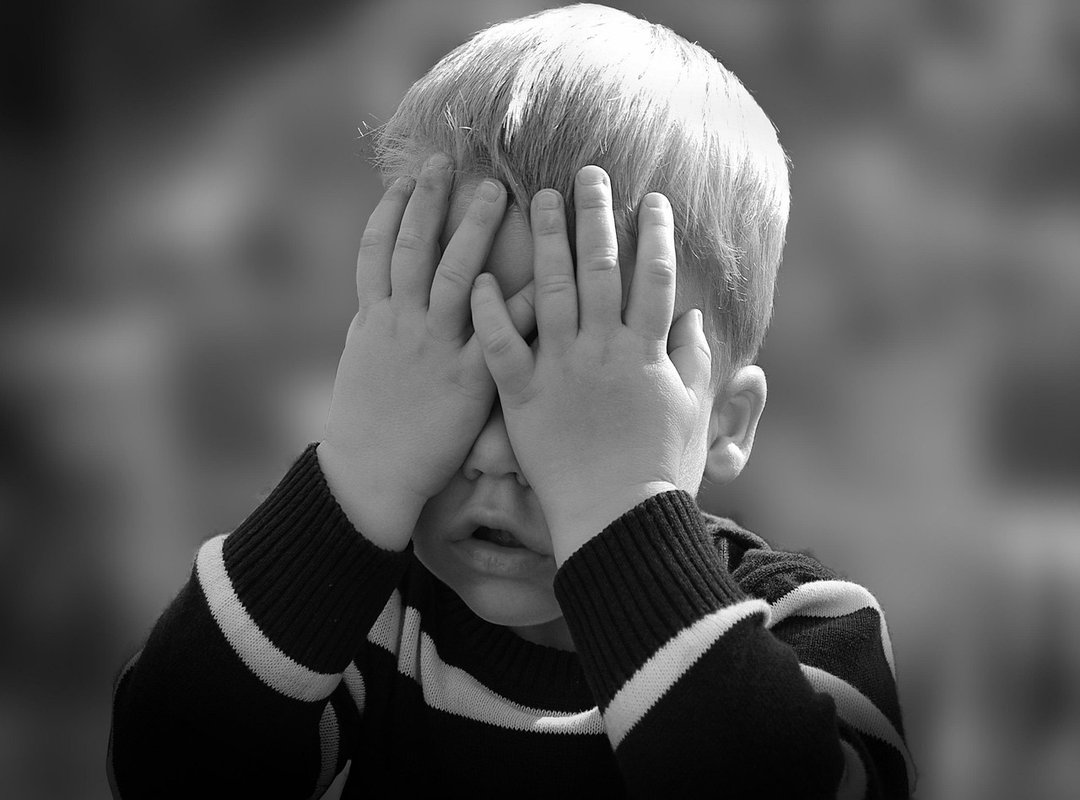
I watched a teacher cry last year.
I wrote more about this in Roartechmental programming advisor from riproar.
She followed the district’s new lesson-planning algorithm (down) to the minute (and) still failed three kids on the reading assessment.
They told her to trust the tool. She did. Then they blamed her when it didn’t work.
That’s not support. That’s accountability laundering.
Judges get dashboards now. One-click sentencing recs. Mitigating circumstances?
Buried under five tabs. Speed wins. Nuance loses.
I’ve seen it in courtrooms and classrooms. And yes, in hospitals too.
The 2023 UK NHS report found clinicians anchoring on wrong diagnoses because the system highlighted one possibility and buried alternatives.
So who’s liable when things go sideways? The coder who built the model? The nurse who clicked “confirm”?
It wasn’t malpractice. It was overreliance.
The hospital that bought it?
No one owns the outcome. Everyone deflects.
That’s why human judgment includes saying no.
A machine can’t refuse. A person must.
That’s why I keep coming back to the core truth: Why Technology Cannot Replace Humans Roartechmental.
It’s not about skill (it’s) about conscience.
The Roartechmental programming advisor from riproar helps developers build guardrails into tools before they ship (not) after people get hurt.
Not every alert needs a dashboard.
Some just need a person saying: Stop.
And meaning it.
The Human Cost of Clicking Too Much
I watched a nurse log 14 minutes into an EHR for every 7 minutes at the bedside.
That’s not care. That’s data entry with a stethoscope.
Teachers spend more time troubleshooting LMS glitches than adjusting lessons for kids who are falling behind.
Social workers fill out mandatory digital forms while a client sobs in front of them.
Try explaining that to someone in crisis. (Spoiler: you can’t.)
This isn’t about being “bad at tech.” It’s about rigid workflows overriding judgment, timing, and compassion.
Longitudinal studies show job satisfaction dropping (not) because caseloads grew, but because clinicians and educators lost control over how they do their work.
Autonomy matters. Meaning matters. Tech that erodes both is just noise with a login screen.
Handwritten notes in therapy sessions? They build trust faster than any auto-saved PDF.
Face-to-face intakes in community services? They catch what checkboxes miss (tone,) hesitation, unspoken history.
Adding tech to underfunded schools or overstretched clinics doesn’t fix the problem. It just shifts the exhaustion from one place to another.
That’s solutionism (and) it’s lazy.
You know what fixes burnout? Staffing. Training.
Time. Not another dashboard.
If you’re wrestling with this tension. Especially in education (I) wrote about it in detail here: Why technology should be used in the classroom roartechmental.
Why Technology Cannot Replace Humans Roartechmental isn’t a slogan. It’s a boundary.
Respect it.
One Boundary Changes Everything
I’ve said it before and I’ll say it again: Why Technology Cannot Replace Humans Roartechmental.
Processing power doesn’t care about grief. Algorithms don’t hold space for doubt. No dashboard measures dignity.
You already know this. You feel it in your chest when a tool cuts a human out of the loop. Or worse, pretends it didn’t.
So pick one role you play today. Practitioner. Leader.
Designer. Doesn’t matter which.
Then name one tech tool that’s eroding its core human function. Right now.
Write one sentence. Just one (that) draws the line back. A policy.
A ritual. A “no” with teeth.
That sentence is your anchor. It’s not perfect. It’s enough.
The most advanced technology will always need the quietest human judgment to guide it.
Do it today. Not tomorrow. Not after the meeting. Now.

 Janela Knoxters has opinions about digital media strategies. Informed ones, backed by real experience — but opinions nonetheless, and they doesn't try to disguise them as neutral observation. They thinks a lot of what gets written about Digital Media Strategies, Expert Insights, Graphic Design Trends is either too cautious to be useful or too confident to be credible, and they's work tends to sit deliberately in the space between those two failure modes.
Reading Janela's pieces, you get the sense of someone who has thought about this stuff seriously and arrived at actual conclusions — not just collected a range of perspectives and declined to pick one. That can be uncomfortable when they lands on something you disagree with. It's also why the writing is worth engaging with. Janela isn't interested in telling people what they want to hear. They is interested in telling them what they actually thinks, with enough reasoning behind it that you can push back if you want to. That kind of intellectual honesty is rarer than it should be.
What Janela is best at is the moment when a familiar topic reveals something unexpected — when the conventional wisdom turns out to be slightly off, or when a small shift in framing changes everything. They finds those moments consistently, which is why they's work tends to generate real discussion rather than just passive agreement.
Janela Knoxters has opinions about digital media strategies. Informed ones, backed by real experience — but opinions nonetheless, and they doesn't try to disguise them as neutral observation. They thinks a lot of what gets written about Digital Media Strategies, Expert Insights, Graphic Design Trends is either too cautious to be useful or too confident to be credible, and they's work tends to sit deliberately in the space between those two failure modes.
Reading Janela's pieces, you get the sense of someone who has thought about this stuff seriously and arrived at actual conclusions — not just collected a range of perspectives and declined to pick one. That can be uncomfortable when they lands on something you disagree with. It's also why the writing is worth engaging with. Janela isn't interested in telling people what they want to hear. They is interested in telling them what they actually thinks, with enough reasoning behind it that you can push back if you want to. That kind of intellectual honesty is rarer than it should be.
What Janela is best at is the moment when a familiar topic reveals something unexpected — when the conventional wisdom turns out to be slightly off, or when a small shift in framing changes everything. They finds those moments consistently, which is why they's work tends to generate real discussion rather than just passive agreement.