
Smarter Wearables are Getting Seriously Personal
Wearable technology has evolved far beyond step counting. Today’s devices are pushing into health grade territory, offering users insights once reserved for clinics or labs.
From Trackers to Diagnostics
Modern wearables are redefining personal health monitoring:
Advanced biometrics: Track real time blood pressure, heart rate variability, and sleep cycles in detail.
Stress monitoring: Devices now use cortisol level tracking to measure your body’s response to stress.
Continuous monitoring: Instead of spot checking vitals, many wearables now offer 24/7 tracking with dynamic alerts.
How AI Powers Personal Wellness
AI plays a central role in translating raw data into actionable insights:
Personalized feedback based on your unique health patterns and lifestyle.
Predictive suggestions that adapt over time such as when to rest, hydrate, or train.
Anomaly alerting, flagging sudden changes in your health data you might miss.
Beyond the Wrist: Wearables Expand
It’s not just smartwatches anymore. The wearable market is diversifying rapidly:
Smart rings that track sleep cycles and movement discreetly.
AR glasses that provide real time contextual feedback.
Skin patches that monitor hydration, UV exposure, and more.
These innovations point toward a future where health insights are deeply embedded into our daily routines without the need for bulky devices.
Related Read: Emerging Tech Innovations
AR Glasses No Longer Look Like Sci Fi
AR glasses have come a long way from the clunky goggles of a decade ago. In 2024, they’re not just wearable they’re actually wearable. We’re talking lightweight frames that don’t scream “tech gadget,” but still deliver subtitling, navigation overlays, and app notifications, all in real time. Finally, form and function are catching up to the promise.
Early adopters are professionals on the move field engineers, translators, and international travelers who value hands free information without staring at a phone. Think flight updates, walking directions, or instant translations that appear right where you’re looking. They work quietly, adding precision without distraction.
But not everything is solved. Privacy remains a sticking point: not just for wearers, but for anyone being recorded or scanned without knowing. Then there’s the social signaling effect wearing a pair in public still raises eyebrows in some settings. It’s not quite “normal” yet, but it’s no longer weird, either.
Bottom line: AR glasses are in phase one of going mainstream. If you’re a creator, traveler, or on the go pro, 2024 is the year to take a closer look.
Wireless Charging Is Stepping Into the Wild
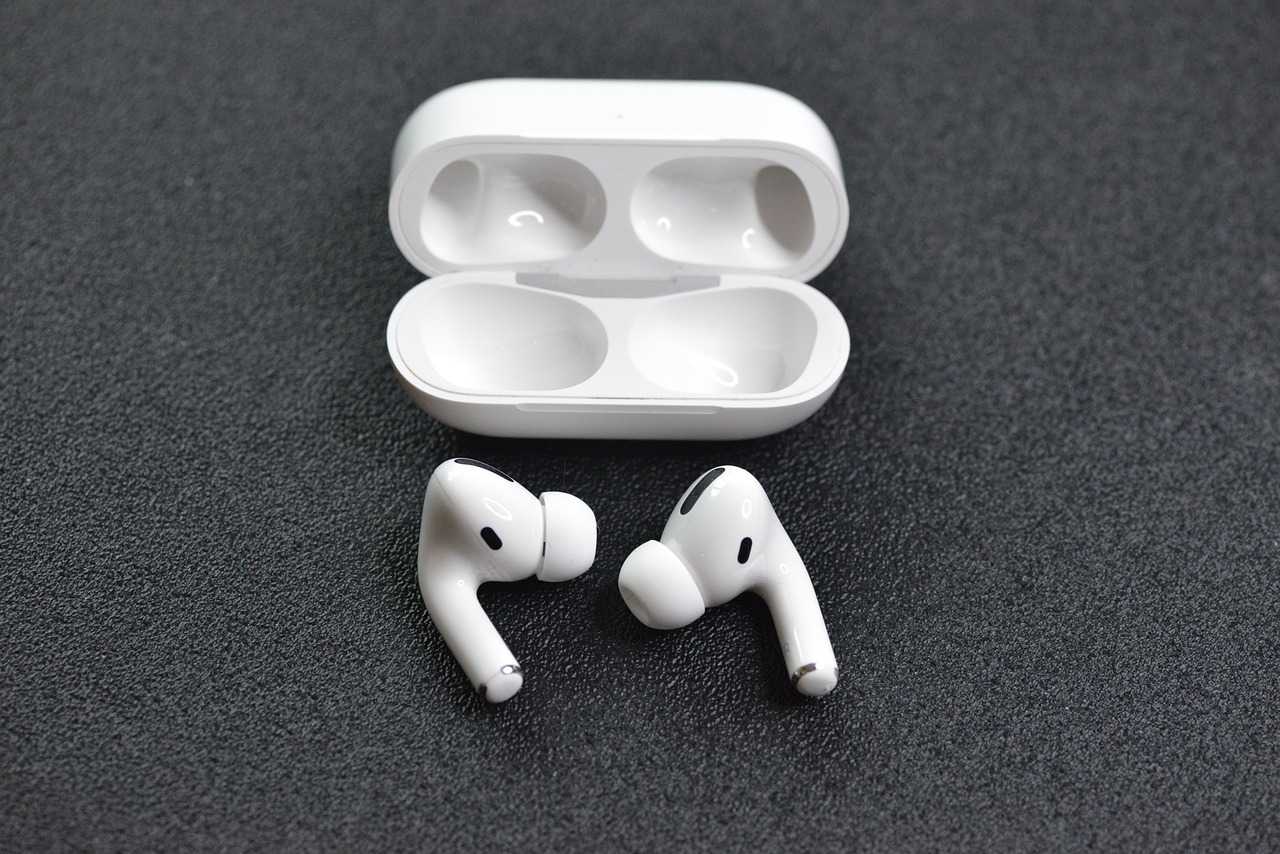
Forget pads and docks. The next wave of wireless charging is aiming higher literally into the air. Using magnetic resonance and over the air tech, engineers are testing systems that can charge your phone or earbuds from across the room, no cables or surfaces required. It’s still mostly in the prototype phase, but the leap from idea to integration is moving fast.
What does this mean in real life? Picture walking into your home and your devices start charging automatically. No plugging in by the door. No hunting for wires in the dark. Public spaces could evolve too: coffee shops, airports, even car interiors redesigned with built in, invisible power zones. For travel and outdoor gear, this shift could change product design entirely less storage needed for chargers, more room for actual function.
It’s early, but the logic is clear: fewer touchpoints, more freedom. As energy efficiency improves and safety concerns are ironed out, long range charging could become as standard as Wi Fi. Stay plugged in, even when you’re not.
Next Gen Audio Is About Spatial, Not Just Quality
Audio tech has quietly leveled up. Immersive 3D sound once reserved for high end gaming rigs or premium theater systems is now baked into everyday gear. Phones, earbuds, tablets, even game consoles are fine tuned for spatial audio, shifting the way we listen. Content doesn’t just sound clear anymore; it feels mapped to a virtual environment. Voices, footsteps, ambient noise they now move around your head like they’re actually in the room.
Then there’s the rise of personalized sound zones. Some devices are ditching traditional headphones altogether, using directional audio tech to beam sound just to you, even in a shared space. Sit on your couch, and your smart speaker can whisper news headlines only you hear. Or take a video call while your partner watches TV nearby, with zero headphone hassle.
This shift isn’t just for audiophiles. Home entertainment systems are becoming more immersive without getting more cluttered. Remote meetings are less fatiguing because voices are clearer, more localized. And for creators who vlog or livestream, spatial sound adds a new dimension of presence. Viewers don’t just watch they feel part of the room.
This isn’t a flashy trend. It’s a quiet revolution, and it’s already started.
Eco Tech Isn’t Just Niche Anymore
Sustainability isn’t a side quest anymore it’s baked into the next generation of consumer tech. From solar powered phone chargers that actually work to biodegradable earbuds made from hemp and recycled plastics, green gear is going mainstream. This isn’t just tree hugger territory. These devices are sleek, tough, and built for real world use.
Big brands are finally catching on. Apple, Fairphone, Framework, and Lenovo are rethinking design from the ground up. Think modular laptops, repairable phones, and accessory ecosystems meant to last not be tossed out every 12 months. It’s circular thinking with performance in mind.
What’s behind the shift? Pressure from regulators, smarter consumers, and frankly economic incentives. Reusable, repairable, and energy efficient products are no longer liabilities; they’re selling points.
For makers and early adopters, this is a window. Innovation is happening where responsibility meets utility and it’s creating products that work better, last longer, and feel more future proofed.
Read more: emerging tech innovations
Stay Ahead Without the Hype
Not every game changing tech shift makes headlines. Some of the most impactful consumer innovations are the quiet ones integrations that don’t seem flashy at first, but quickly become essential. Think less about viral launches and more about subtle upgrades that reshape everyday habits without asking for much.
Wearables that guide you through stress management instead of just counting steps. Glasses that display live translations as you walk through a foreign city. Wireless charging zones in public benches. These aren’t moonshots they’re slight tweaks in design and function that quietly improve convenience.
The key for consumers (and creators) in 2024 is to track where small advances deliver big utility. Trends like modular tech, spatial audio, and skin sensing wearables aren’t loud, but they’re sticky. Watch where tech meets real life friction and solves it without getting in the way that’s where the future is quietly unfolding.