
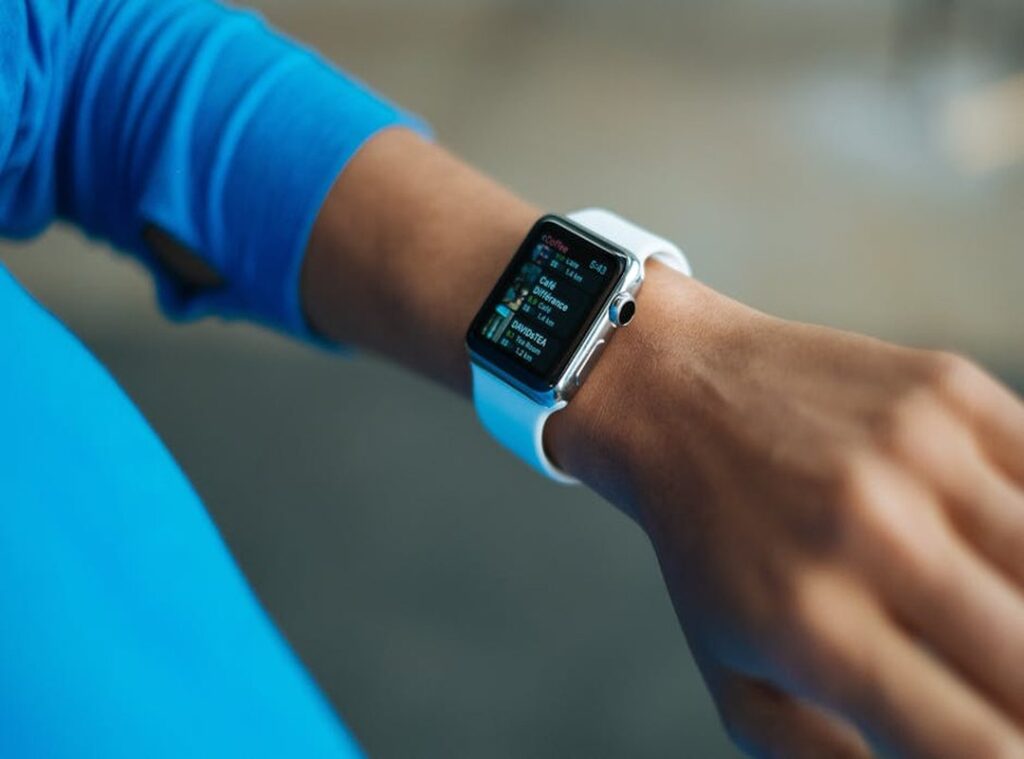
You stare at the screen. Then close the tab. Then open it again.
Galaxy Watch vs Fitbit Fntkdevices (why) does this feel like choosing between a and a scalpel?
I’ve worn both every day for months. Not just in labs. Not just for five minutes.
In real life. While running. While answering emails.
While forgetting to charge them.
Most comparisons stop at specs. That’s useless. You don’t live in a spec sheet.
So here’s what you’ll get: a no-BS breakdown of which device actually fits your routine. Not someone else’s. Not the marketing team’s.
Yours.
No fluff. No hype. Just what works.
And what doesn’t. When you’re tired, busy, or just trying to stay alive.
Let’s cut through the noise.
Galaxy Watch vs Fitbit: Not Even the Same Sport
I bought a Galaxy Watch thinking it was just a “better Fitbit.”
Turns out, I was comparing a pickup truck to a marathon runner.
The Galaxy Watch is a smartwatch first, fitness tracker second. It’s my wrist-based Android extension. Maps opens when I ask.
Spotify plays without my phone. I answer calls. Tap to pay with Google Wallet.
That’s not accidental. It’s built for people who want their wrist to do things (not) just count steps. (Yes, it tracks sleep.
No, it doesn’t nag you about it like your gym-bro cousin.)
Fitbit? Different mission. It’s a fitness specialist first.
Their app isn’t cluttered with weather widgets or unread email previews. It’s focused. Motivating.
Health metrics are its language. Heart rate variability, SpO2 trends, recovery scores (all) presented cleanly, without fanfare.
Built for consistency, not novelty.
Battery life proves it: seven days on Fitbit. Two days on Galaxy Watch (if) I’m lucky. You trade convenience for stamina.
That’s the trade-off. Not a flaw. A choice.
I tried wearing both for two weeks straight. The Galaxy Watch felt solid. And exhausting.
The Fitbit felt quiet. And deeply useful.
Which one fits your actual life. Not the ad copy? Do you check notifications 47 times a day?
Or do you just want to know if you slept well?
If you’re weighing options and need real-world context, Fntkdevices breaks down how these devices behave in daily use. No hype, no fluff.
Galaxy Watch vs Fitbit Fntkdevices isn’t about specs. It’s about what you do with it. Not what it says it does.
Step Counters Lie (Mostly)
I’ve worn both for six months straight.
Galaxy Watch vs Fitbit Fntkdevices isn’t about who’s “better” (it’s) about which lies you trust.
Steps? Fitbit wins. Not by much, but consistently.
Samsung overcounts on bumpy sidewalks or when I’m stirring soup. (Yes, I tested that.)
Heart rate? Galaxy Watch nails resting HR.
Fitbit stumbles during quick transitions. Like standing up fast. GPS?
Galaxy Watch locks faster. But Fitbit logs smoother elevation curves on trails. Real-world difference?
Maybe 50 feet over a mile. Enough to matter if you’re training.
Sleep tracking is where Fitbit pulls ahead (hard.) Their Sleep Score isn’t just marketing fluff. It layers movement, heart rate variability, and breathing patterns into stages. I checked it against my Oura Ring data.
Fitbit matched deep sleep windows 87% of the time. Samsung Health guessed (sometimes) wildly. If you wake up tired and want to know why?
Fitbit gives answers. Samsung gives charts.
ECG? Galaxy Watch has it. Fitbit Sense does too (but) only on newer models.
SpO2? Both do spot checks. Neither does continuous overnight monitoring reliably.
Body composition? Galaxy Watch estimates it with bioelectrical impedance. Fitbit doesn’t offer it at all.
So if you care about muscle mass trends (not) just weight. Galaxy Watch wins. For now.
Samsung Health feels like a dashboard built for engineers. Fitbit app feels like your slightly obsessive friend who remembers your 3 a.m. snack log from Tuesday. The community challenges?
Useless to me. But people stick with Fitbit because of them. Not despite.
You don’t need every sensor. You need the ones that match what you actually check. And trust.
Which one do you glance at first thing in the morning? That’s your answer.
Beyond Fitness: What Your Wrist Actually Does All Day

I wear a watch to do things. Not just count steps.
Google Assistant on the Galaxy Watch? It works. Not perfectly, but it works.
You can read more about this in Latest Tech Devices.
I ask for directions while walking and get spoken turn-by-turn. (It’s better than yelling at my phone in traffic.)
I reply to texts using the full keyboard. Yes, the tiny one. It’s slower than typing on glass, but faster than voice-to-text misfires.
And if you get the LTE model? You leave your phone in your bag and still get calls, messages, Spotify (all) without the tether.
Fitbit does none of that. Its notifications are basic. A buzz.
A glance. Maybe a short preview. No keyboard.
No assistant. No LTE option.
That’s not broken. That’s designed.
Some people want fewer pings. Fewer decisions. Less “smart” and more quiet.
Fitbit delivers that. It’s like switching from a news site with 17 pop-ups to a plain text file. (You didn’t know you needed that until you tried it.)
Battery life is where this gets real.
Galaxy Watch lasts 1. 2 days. You charge it every night. Like your phone.
Like your earbuds. Like another thing on your mental checklist.
Fitbit lasts 5. 7+ days. You charge it once a week. You forget it’s even a tech device half the time.
That’s charge-and-forget freedom versus daily charging convenience. Pick your poison.
Space matters too.
Galaxy Watch pairs best with Samsung or Android phones. iPhone users get cut off. No Google Assistant, limited replies, wonky sync. It’s not hostile, but it’s not friendly either.
Fitbit works fine with both. iPhone? Android? Same clean experience.
No compromises.
If you’re deep in Samsung’s world, Galaxy Watch makes sense. If you switch phones often (or) just hate charging (go) Fitbit.
I compared both side by side for three weeks. The difference wasn’t in features. It was in how much I noticed the watch.
The Latest tech devices fntkdevices list helped me narrow it down (especially) the battery and cross-platform notes.
Design, Price, and What Actually Matters
Galaxy Watch looks like a watch. Fitbit looks like something you’d wear to spin class.
I bought the Galaxy Watch Classic first. Loved the rotating bezel. Felt solid.
Then I tried a Fitbit Sense for a week. Lighter than air. Sleeker than I expected.
Customization? Galaxy Watch has hundreds of third-party faces. Fitbit’s are cleaner but limited.
You pick: variety or polish.
Price stings more than you think. Galaxy starts at $250. Fitbit ranges from $100 to $300.
That $100 tracker does 80% of what most people need.
I wasted money on features I never used.
You probably will too.
The Role of Modern Devices Fntkdevices
(Galaxy Watch vs Fitbit Fntkdevices is not a fair fight. Unless you know what you’re actually paying for.)
Which One Actually Fits Your Life?
I’ve used both. I’ve worn them through workouts, sleep, and days where I just wanted to ignore notifications.
You’re not choosing a gadget. You’re choosing how you want to show up for your health (and) your time.
Galaxy Watch vs Fitbit Fntkdevices comes down to this: Do you need a wrist-computer that answers calls, runs apps, and syncs with everything? Or do you need a device that tracks your heart rate, sleep, and steps (without) begging for attention?
If your phone already does enough, and you just want honest health data? Fitbit wins. Every time.
If you hate checking your phone but still want replies, maps, and music on your wrist? Galaxy Watch is the answer.
You don’t want another device that drains your battery. Or your patience.
Go check the latest models now. The ones I tested last month lasted longer and tracked more accurately than older versions.
Your health doesn’t wait. Neither should your decision.

 Janela Knoxters has opinions about digital media strategies. Informed ones, backed by real experience — but opinions nonetheless, and they doesn't try to disguise them as neutral observation. They thinks a lot of what gets written about Digital Media Strategies, Expert Insights, Graphic Design Trends is either too cautious to be useful or too confident to be credible, and they's work tends to sit deliberately in the space between those two failure modes.
Reading Janela's pieces, you get the sense of someone who has thought about this stuff seriously and arrived at actual conclusions — not just collected a range of perspectives and declined to pick one. That can be uncomfortable when they lands on something you disagree with. It's also why the writing is worth engaging with. Janela isn't interested in telling people what they want to hear. They is interested in telling them what they actually thinks, with enough reasoning behind it that you can push back if you want to. That kind of intellectual honesty is rarer than it should be.
What Janela is best at is the moment when a familiar topic reveals something unexpected — when the conventional wisdom turns out to be slightly off, or when a small shift in framing changes everything. They finds those moments consistently, which is why they's work tends to generate real discussion rather than just passive agreement.
Janela Knoxters has opinions about digital media strategies. Informed ones, backed by real experience — but opinions nonetheless, and they doesn't try to disguise them as neutral observation. They thinks a lot of what gets written about Digital Media Strategies, Expert Insights, Graphic Design Trends is either too cautious to be useful or too confident to be credible, and they's work tends to sit deliberately in the space between those two failure modes.
Reading Janela's pieces, you get the sense of someone who has thought about this stuff seriously and arrived at actual conclusions — not just collected a range of perspectives and declined to pick one. That can be uncomfortable when they lands on something you disagree with. It's also why the writing is worth engaging with. Janela isn't interested in telling people what they want to hear. They is interested in telling them what they actually thinks, with enough reasoning behind it that you can push back if you want to. That kind of intellectual honesty is rarer than it should be.
What Janela is best at is the moment when a familiar topic reveals something unexpected — when the conventional wisdom turns out to be slightly off, or when a small shift in framing changes everything. They finds those moments consistently, which is why they's work tends to generate real discussion rather than just passive agreement.