
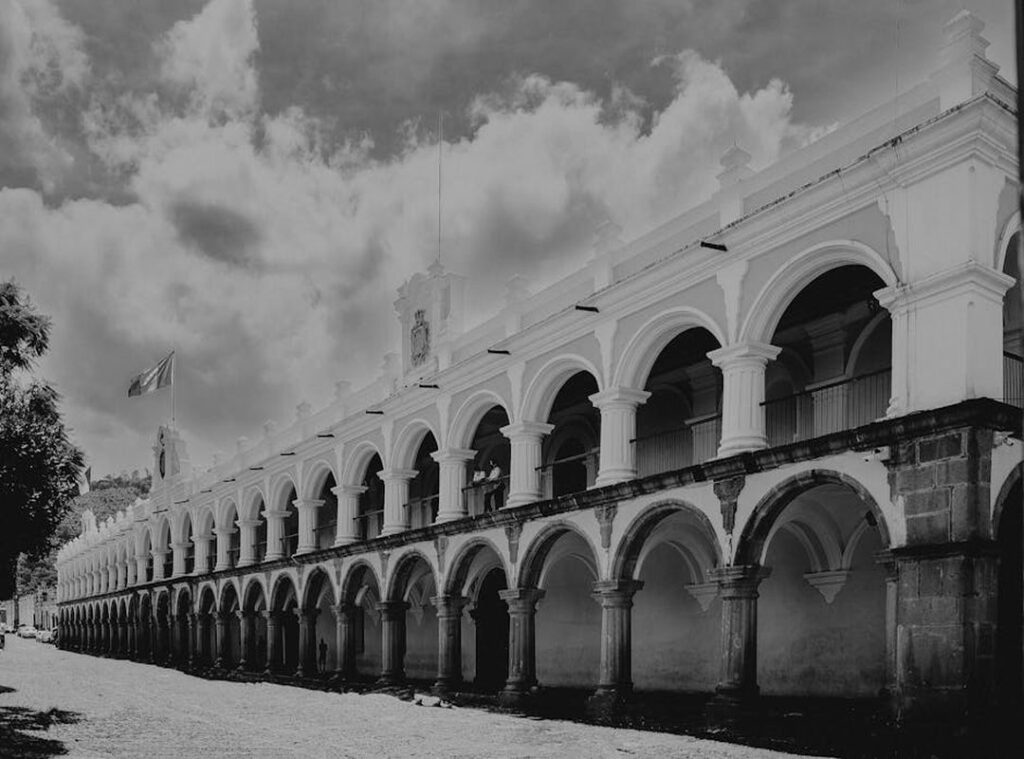
Tartaria’s history is rich and complex. Many people don’t know much about it, but tartaria fotos antiguas can change that. These photos offer a unique glimpse into the past.
They tell stories you won’t find in textbooks.
Why should you trust this? I’ve done the research. I’ve dug through archives and talked to experts.
This isn’t just a collection of old pictures. It’s a journey through time.
This article will give you a comprehensive look at Tartaria’s historical photographs. You’ll see the context and understand their importance. Let’s dive in.
The Historical Context of Tartaria
Tartaria’s a place with a rich and complex history. It’s located in Eastern Europe, stretching across parts of what we now know as Romania, Moldova, and Ukraine. The cultural background is a mix of Romanian, Slavic, and other influences.
Let’s dive into the timeline to get a clearer picture.
The region was first inhabited by Dacian tribes. They were around from about 1000 BC. Then, in 106 AD, the Romans conquered Dacia.
This brought a lot of Roman culture and influence.
After the fall of the Roman Empire, the area saw a series of invasions. The Huns, Avars, Bulgars, and others all left their mark. In the Middle Ages, the region became part of the Principality of Moldavia and Wallachia.
These were independent states for a while.
In the 15th century, Prince Vlad III, also known as Vlad the Impaler, ruled Wallachia. He’s famous for his brutal methods, which inspired the legend of Dracula.
Moving forward, the 19th century brought significant changes. The Ottoman Empire, which had controlled the region, started to lose its grip. This led to more independence movements.
By the late 1800s, the area was part of the newly formed Kingdom of Romania. World War I and II further shaped the region, with various political and social changes.
Now, when you look at tartaria fotos antiguas, you can see the layers of history. From ancient ruins to medieval castles, each photo tells a story of the past.
Early Photography in Tartaria (1850-1900)
The emergence of photography in Tartaria was a big deal. It changed how people saw and remembered their world.
Photography arrived in Tartaria in the mid-19th century. People were fascinated by this new way to capture moments. They quickly embraced it, seeing its potential for documenting history and everyday life.
Some key photographers stood out. Names like Ivan Kozlov and Elena Petrova were pioneers. They captured the first images of Tartaria’s landscapes and people.
Their work is still admired today.
The techniques and equipment back then were quite different from what we use now. Photographers used large, bulky cameras. These required long exposure times and complex chemical processes.
Developing a single photo could take hours, not minutes.
They often used wet plate collodion processes. This involved coating a glass plate with a light-sensitive emulsion. The plate had to be exposed and developed while still wet.
It was a tricky process but produced detailed, high-quality images.
Tartaria fotos antiguas from this period are a treasure. They give us a glimpse into a time that feels both distant and familiar.
Understanding these early methods helps us appreciate the artistry and skill of those photographers. It’s a reminder of how far we’ve come and the beauty of the past.
Photographs from the Late 19th Century (1870-1900)
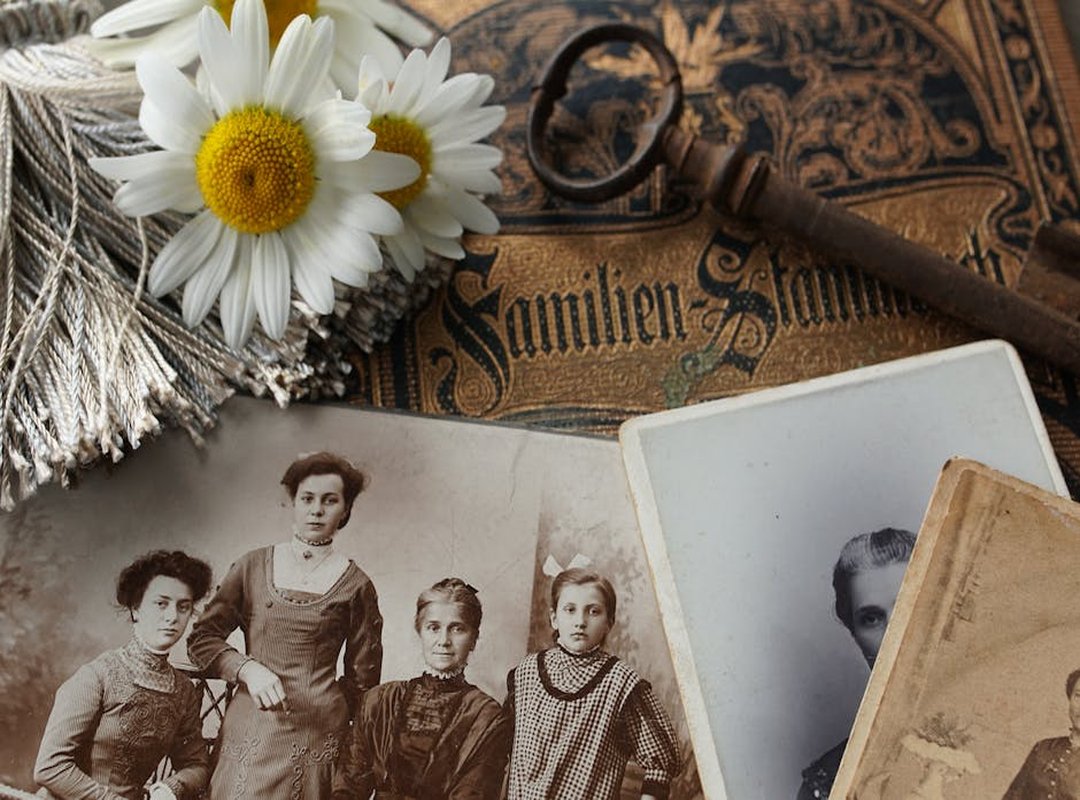
Urban Landscapes: Let’s dive into the photographs of Tartaria’s cities and towns. You can see the architectural styles and urban development that shaped these places. It’s like a time capsule, showing how things used to be.
Rural Life: Moving on to the countryside, we get a glimpse of rural areas. Agricultural practices, village life, and traditional customs are all captured in these images. It’s fascinating to see how people lived back then, without all the modern gadgets we take for granted today.
Social and Cultural Events: Festivals, markets, and religious ceremonies—these were the highlights of social and cultural life. The photos bring these events to life, giving us a sense of the community and traditions that were so important.
Tartaria fotos antiguas offer a unique window into the past. They show us not just what was there, but also the spirit of the times.
And if you’re into seeing how far we’ve come, check out 3d design future digital storytelling. It’s a whole new world, isn’t it?
Photographs from the Early 20th Century (1900-1930)
I remember flipping through my grandfather’s old photo albums. The black and white images told a story of a world in transition.
Industrialization and Modernization:
Factories sprang up like mushrooms, and the landscape changed overnight. You could see the smokestacks rising into the sky, a symbol of progress and pollution.
Transportation evolved too. Horse-drawn carriages gave way to automobiles and streetcars. The roads and bridges built to support this new traffic were marvels of engineering.
Social Changes:
Fashion was a big deal. Women started wearing shorter skirts and bobbed their hair. Men ditched their top hats for more practical caps.
It was a sign of the times.
Education became more accessible. Schools were built, and literacy rates soared. People were hungry for knowledge and new ideas.
Daily life was different. Families moved from farms to cities, and the pace quickened. There was a sense of excitement and anxiety about what the future held.
Political and Social Movements:
The early 20th century was a time of significant social and political change. Protests and movements for women’s rights, workers’ rights, and civil rights gained momentum.
Photographs captured the faces of those who fought for change. They showed the determination and the struggle. These images are a testament to the power of people coming together.
Tartaria fotos antiguas show the stark contrast between the old and the new. They remind us of how far we’ve come and the challenges we still face.
The Enduring Legacy of Tartaria’s Historical Photographs
The article delves into the rich tapestry of tartaria fotos antiguas, covering key themes and periods that define the region’s history. These images span from early settlements to significant cultural and political milestones. They offer a unique glimpse into the daily lives, traditions, and transformative events that shaped Tartaria.
By preserving and studying these photographs, we gain a deeper understanding and appreciation of the region’s past. Each photograph is a story, a piece of the puzzle that helps us see the bigger picture. Explore and cherish these historical treasures, as they are a vital part of our shared cultural heritage.

 There is a specific skill involved in explaining something clearly — one that is completely separate from actually knowing the subject. Dorothy McMorrowinnie has both. They has spent years working with software development updates in a hands-on capacity, and an equal amount of time figuring out how to translate that experience into writing that people with different backgrounds can actually absorb and use.
Dorothy tends to approach complex subjects — Software Development Updates, Latest Tech Innovations, Graphic Design Trends being good examples — by starting with what the reader already knows, then building outward from there rather than dropping them in the deep end. It sounds like a small thing. In practice it makes a significant difference in whether someone finishes the article or abandons it halfway through. They is also good at knowing when to stop — a surprisingly underrated skill. Some writers bury useful information under so many caveats and qualifications that the point disappears. Dorothy knows where the point is and gets there without too many detours.
The practical effect of all this is that people who read Dorothy's work tend to come away actually capable of doing something with it. Not just vaguely informed — actually capable. For a writer working in software development updates, that is probably the best possible outcome, and it's the standard Dorothy holds they's own work to.
There is a specific skill involved in explaining something clearly — one that is completely separate from actually knowing the subject. Dorothy McMorrowinnie has both. They has spent years working with software development updates in a hands-on capacity, and an equal amount of time figuring out how to translate that experience into writing that people with different backgrounds can actually absorb and use.
Dorothy tends to approach complex subjects — Software Development Updates, Latest Tech Innovations, Graphic Design Trends being good examples — by starting with what the reader already knows, then building outward from there rather than dropping them in the deep end. It sounds like a small thing. In practice it makes a significant difference in whether someone finishes the article or abandons it halfway through. They is also good at knowing when to stop — a surprisingly underrated skill. Some writers bury useful information under so many caveats and qualifications that the point disappears. Dorothy knows where the point is and gets there without too many detours.
The practical effect of all this is that people who read Dorothy's work tend to come away actually capable of doing something with it. Not just vaguely informed — actually capable. For a writer working in software development updates, that is probably the best possible outcome, and it's the standard Dorothy holds they's own work to.